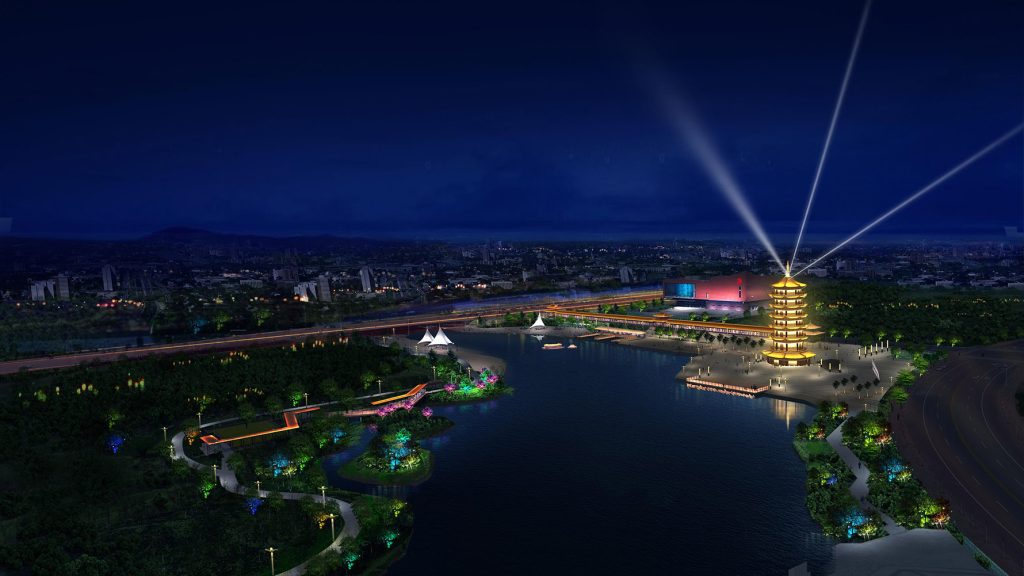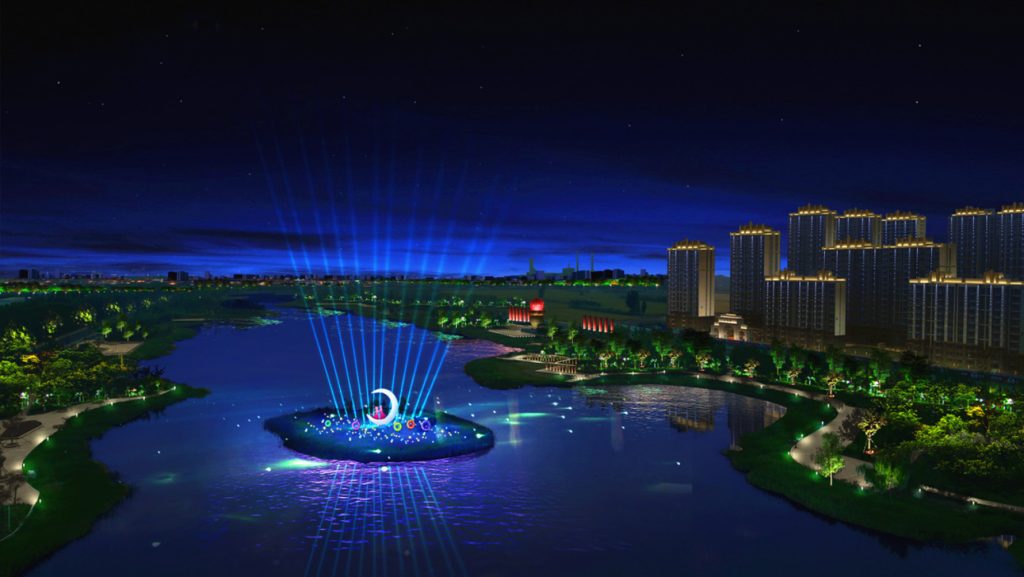
Project Overview of Energy-Saving Lighting Design
Basic Information of Architectural Lighting Project
The exterior design mainly adopts new Chinese-style architecture, which complements and is closely interdependent with the ancient charm of the commercial street. It boasts a superior geographical location, rich regional culture, and distinct architectural features. Situated in the western part of Zhoucun, this project falls into the category of Zhoucun’s old commercial streets. It is a medium-sized commercial real estate project with relatively low density, high greening rate, and construction adjacent to the lake, offering a high-quality environment and atmosphere. The waterfront buildings and surrounding greenery form excellent carriers for lighting, making it suitable for lighting design to create a unique nightscape image.
Based on the actual situation, according to the inherent characteristics of the lighting objects, their position and role in the surrounding lighting effects, we follow the basic laws, principles and regulatory requirements of planning and design, lighting science, and environmental art. We focus on the overall effect of integrated lighting, analyzing and planning numerous lighting elements one by one—this serves as the basis for this lighting planning and design.
Core Objectives of Energy-Efficient Illumination
- Principle of Integrity: Emphasize the integrity of regional lighting.
- Principle of Green Lighting: Meet the people-oriented and green lighting concepts.
- Principle of Layered Lighting: Combine key and general areas; the lighting effect should be both varied and unified, achieving clear primary and secondary focuses with orderly transitions.
- Principle of Controllability: Adopt a manipulable intelligent lighting control system for convenient future management and maintenance.
- Principle of Feasibility: All designs must be based on realizability; lighting facilities should be designed to be safe and reliable.
Following the design direction of “respect history and continue history”, the scheme must not only be reasonable in lighting technology but also conform to historical charm in lighting art. Only by combining lighting technology with art can the true connotation and characteristics of nightscape lighting be displayed. Through a comprehensive understanding of Huilong Street’s overall planning principles and architectural layout, our designers, relying on years of nightscape planning experience and combining the characteristics of this planning, have carefully studied and arranged the lighting methods—thus achieving a visual effect of prominent focuses, reasonable light and dark distribution, strong layering, and orderliness.
Traditional Architectural Complex Lighting Design
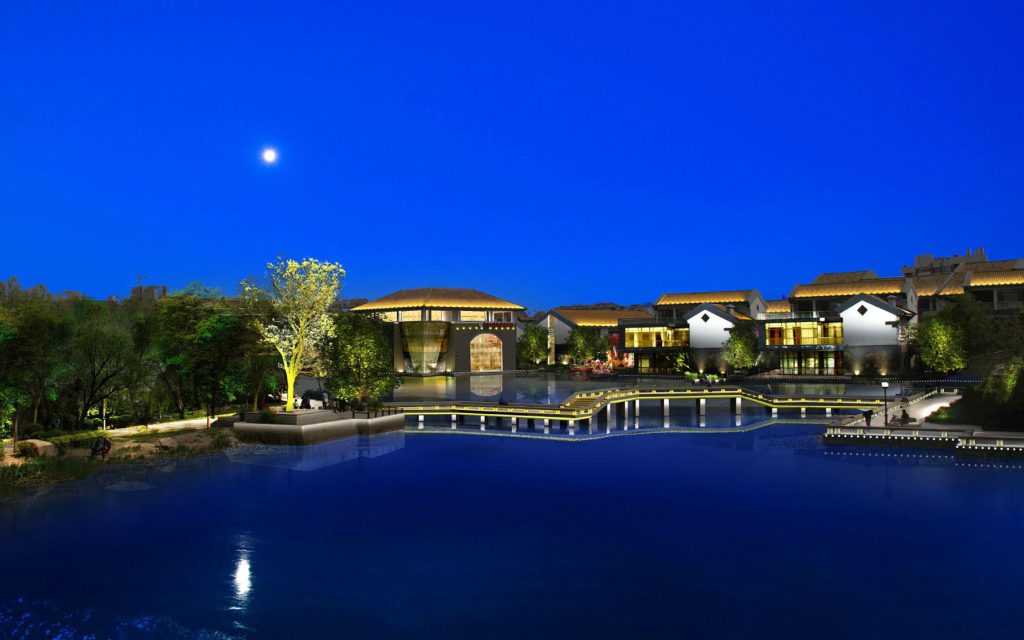
This nighttime scene showcases an elegant traditional architectural complex, where Ancient Building Lighting Design takes center stage. Floodlighting Design gently outlines the roof contours, while Outdoor Lighting Design adorns the waterside path and vegetation. The soft glow merges with water reflections, aligning with Urban Lighting Planning and Design to craft a culturally resonant, tranquil nightscape that highlights traditional architecture’s charm.
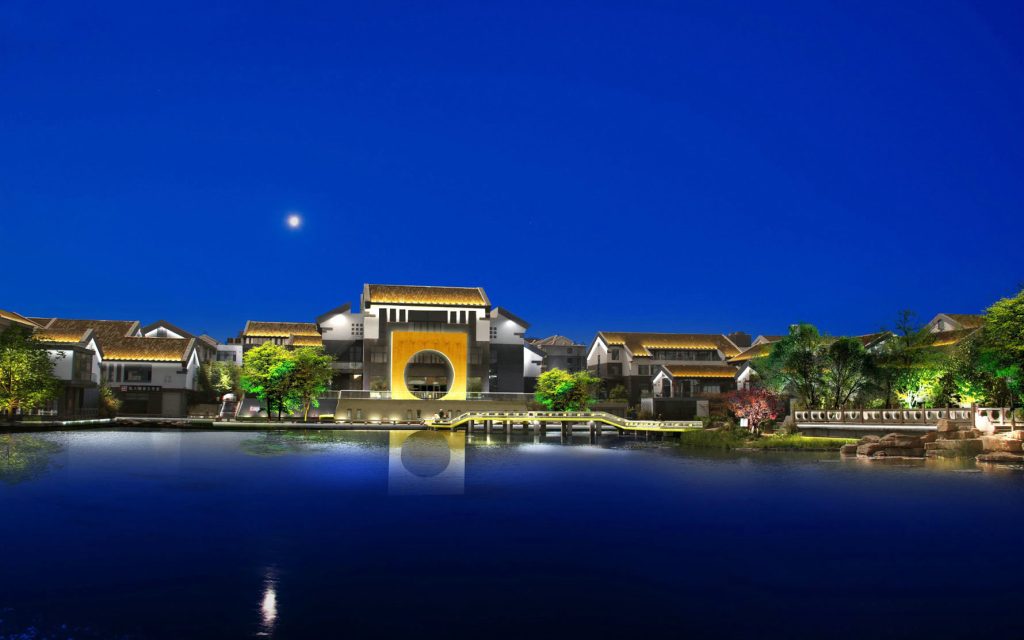
Focused on this traditional complex, Architectural Lighting Design uses targeted Floodlighting Design to accentuate the iconic circular arch (a visual focal point). Outdoor Lighting Design enhances the waterside path, with light reflecting on water to amplify depth. Aligned with Urban Lighting Planning and Design, the scheme merges architectural focal illumination with gentle outdoor lighting, forging an elegant, culturally rich nightscape.
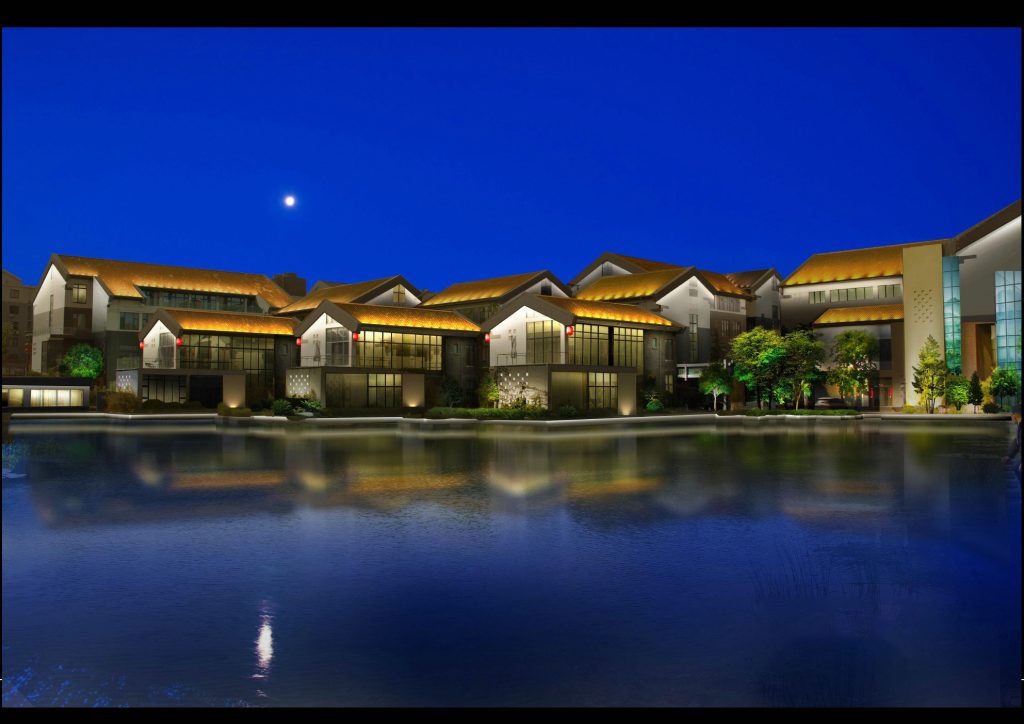
This serene waterside view features a traditional courtyard elevated by Ancient Building Lighting Design. Floodlighting Design softly defines curved roof edges, while Outdoor Lighting Design complements the water’s reflective surface—blending warmth with tranquility. The scheme aligns with Urban Lighting Planning and Design, balancing aesthetic appeal with the understated elegance of traditional architecture’s nighttime presence.
Park & Landscape Lighting Design
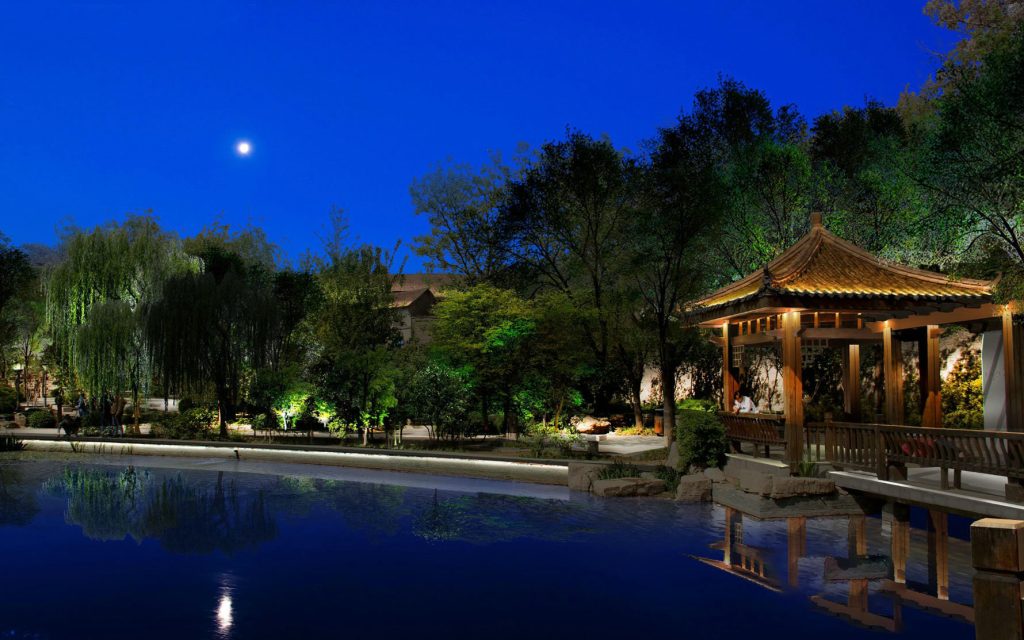
This park scene exemplifies refined Park landscape Lighting Design. Outdoor Lighting Design delicately illuminates weeping willows and greenery, while Floodlighting Design highlights the traditional pavilion’s structure with warm, soft tones. Layered glow harmonizes with water reflections, creating a serene, immersive ambiance that embodies landscape-focused lighting’s subtlety.
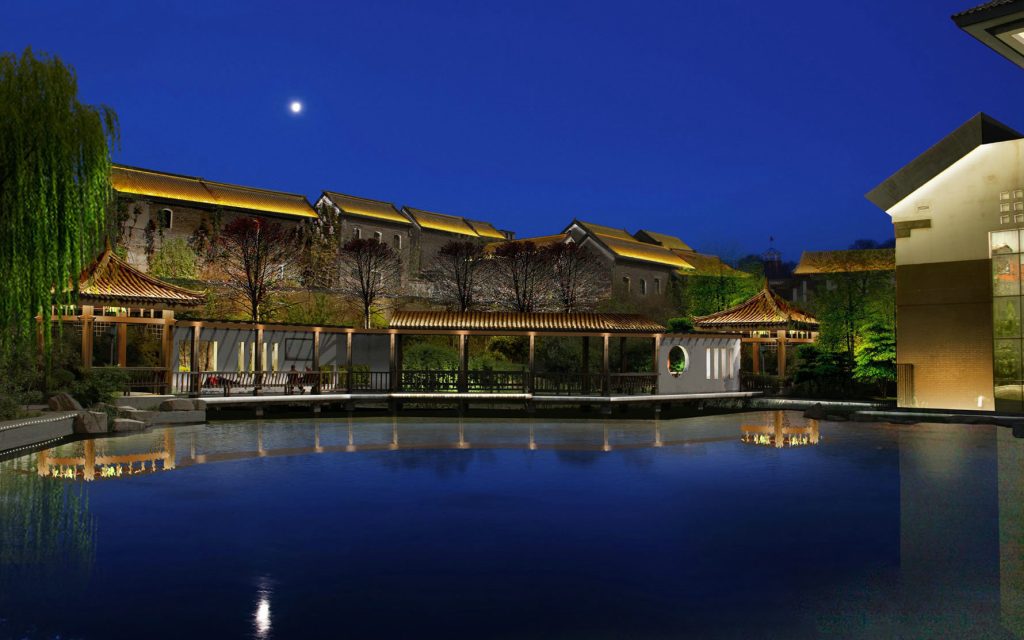
This view features a traditional cluster with a covered corridor, where Ancient Building Lighting Design shines. Floodlighting Design outlines roofs and corridor frames, while Park landscape Lighting Design adorns surrounding greenery. Outdoor Lighting Design boosts water’s reflective effect, and the scheme aligns with Urban Lighting Planning and Design to deliver a cohesive, culturally rich nightscape.
Functional Outdoor Lighting Design
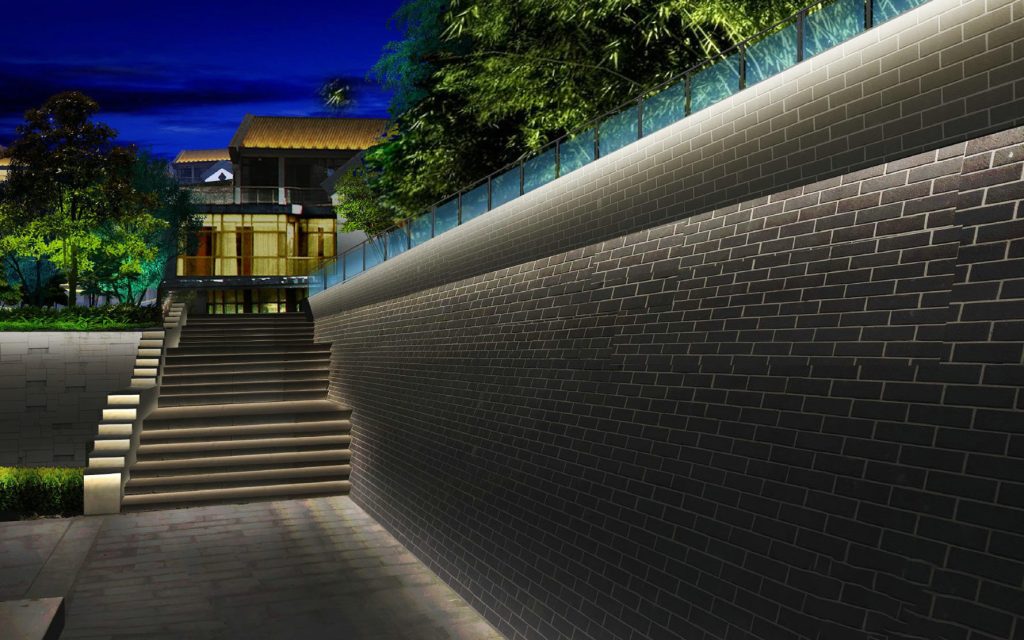
This space highlights functional Outdoor Lighting Design: recessed step lights ensure safe passage, while Floodlighting Design casts soft glow on the brick wall to amplify texture. Understated illumination balances practicality with visual appeal, fitting Urban Lighting Planning and Design’s framework for pedestrian-friendly, aesthetic nighttime environments.
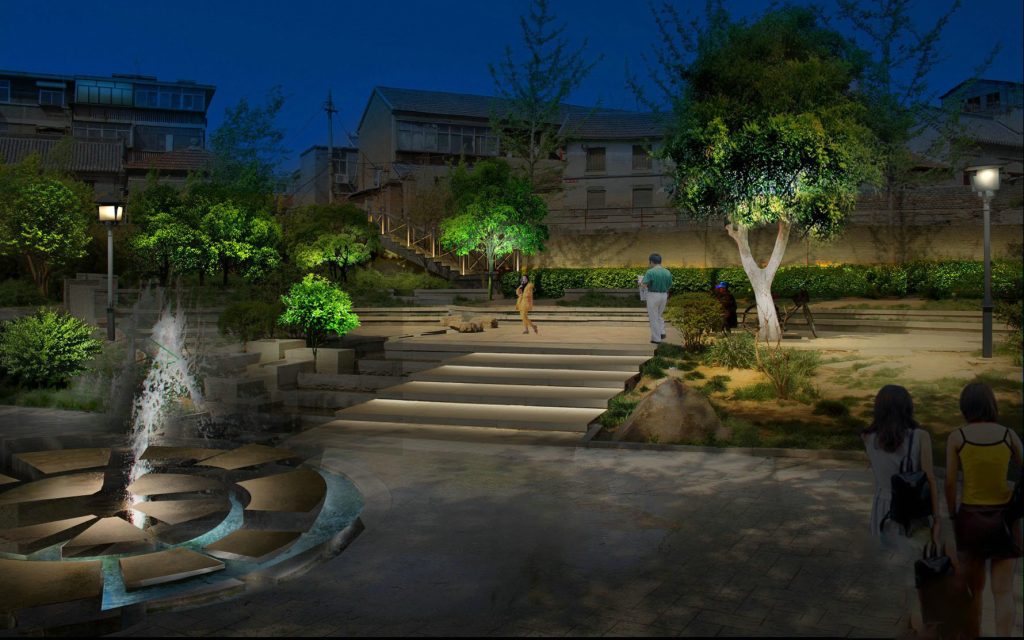
This public area leverages Park landscape Lighting Design to blend function and charm: embedded step lights enhance safety, while Outdoor Lighting Design illuminates the fountain and greenery. Layered lighting creates a welcoming ambiance, aligning with Urban Lighting Planning and Design to craft a comfortable, interactive nighttime space for leisure and movement.
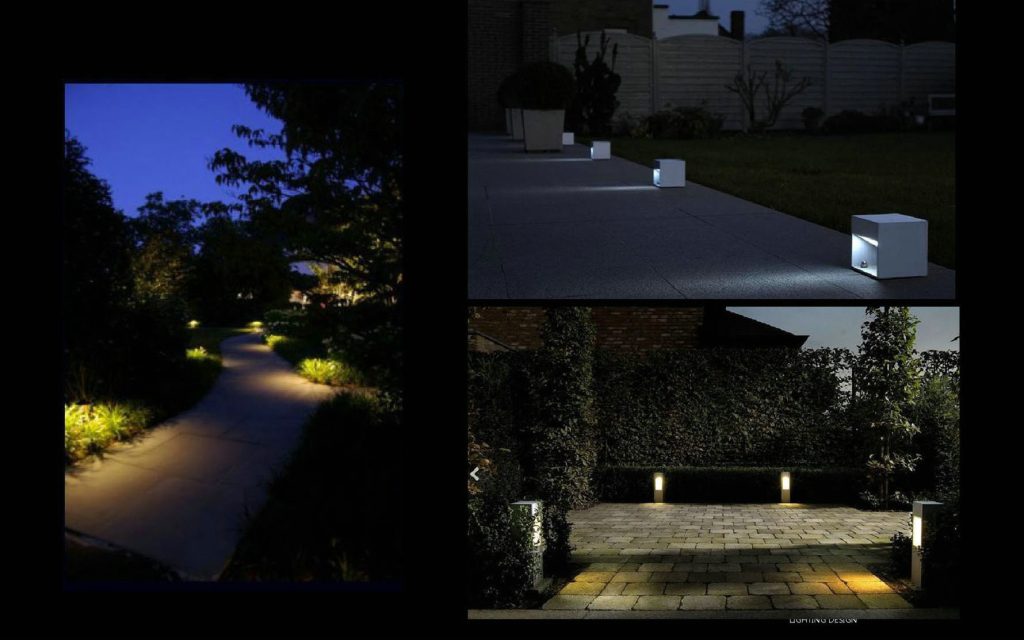
This scene demonstrates versatile Outdoor Lighting Design for parks: low-glare path lights guide foot traffic gently, while accent lights highlight vegetation. As part of Park landscape Lighting Design, the scheme balances subtlety with visibility—aligning with Urban Lighting Planning and Design to deliver a comfortable, visually cohesive nighttime experience for visitors.